

Do you ever find yourself wishing for a more defined lower chest but lack access to a gym or weights? You’re not alone, and the good news is you don’t need fancy equipment to sculpt your lower pecs.
Imagine being able to enhance your physique right from the comfort of your own home, using just your bodyweight. Sounds appealing, right? We’ll dive into simple, yet effective lower pec bodyweight exercises that are perfect for you. These exercises will not only help you achieve the toned look you’re aiming for but also boost your confidence and overall fitness.
Get ready to discover how you can transform your workouts and see real results. Are you curious about which exercises can make a difference? Keep reading to uncover the secrets to a stronger, more defined chest.
Credit: www.ordinary-times.com
Benefits Of Lower Pec Exercises
Lower pec exercises offer several advantages for your fitness journey. They target the lower part of your chest, enhancing strength and appearance. Engaging these muscles can improve posture and overall upper body balance. Regular practice leads to better muscle definition, promoting a more sculpted look.
Improved Muscle Definition
Focusing on lower pecs helps build muscle definition. This adds depth to your chest profile. A well-defined lower chest creates an impressive physique. Consistent workouts tone and shape these muscles effectively.
Enhanced Upper Body Strength
Lower pec exercises increase overall upper body strength. They complement workouts targeting shoulders and arms. Strengthening your chest supports daily activities. It also aids in lifting heavier weights with ease.
Better Posture
Strong lower pecs contribute to better posture. They support your chest and back alignment. This reduces slouching and enhances body balance. Good posture boosts confidence and reduces discomfort.
Increased Exercise Variety
Incorporating lower pec exercises diversifies your workout routine. Variety keeps your fitness regime engaging. It prevents boredom and promotes consistent exercise habits. Different exercises challenge your muscles in new ways.
Anatomy Of The Pectoral Muscles
The pectoral muscles are a vital part of your upper body anatomy, playing a significant role in your chest’s appearance and strength. Understanding these muscles can enhance your workout routine and maximize your results. The pectorals, commonly referred to as the ‘pecs’, are not just a single muscle but a group of muscles that work in harmony. Knowing the difference between the upper and lower pec muscles can help you target your exercises more effectively.
Upper Vs Lower Pec Muscles
The pectoral muscles are divided into two main parts: the upper and lower pecs. The upper pecs are primarily involved in movements like bench presses and push-ups. These muscles give your chest that rounded and full look.
On the other hand, the lower pecs come into play when you perform exercises such as dips or decline push-ups. Targeting these muscles can lead to a more defined and sculpted chest. Have you ever noticed how some people have that coveted chest separation? That’s often the result of well-developed lower pecs.
Role In Chest Strength
Your pecs are not just for show; they are crucial for overall chest strength. They assist in pushing movements, stabilizing your shoulder joints, and even supporting your arm movements. Strong pecs can improve your performance in various sports and daily activities.
Think about lifting a heavy box or pushing a door open. Your pectoral muscles are engaged in these everyday tasks. By focusing on exercises that target both the upper and lower pecs, you can build a balanced chest that is both strong and aesthetically pleasing.
Next time you work out, pay attention to how your chest feels during different exercises. Are you engaging both the upper and lower pecs? If not, you might be missing out on potential gains. Consider adding exercises like decline push-ups or dips to your routine for a more comprehensive chest workout.
Effective Bodyweight Exercises
Focusing on lower pecs improves chest definition and strength. Bodyweight exercises offer an effective way to target this area without equipment. They build muscle and enhance overall fitness. Here are some exercises that work wonders for the lower pecs.
Incline Push-ups
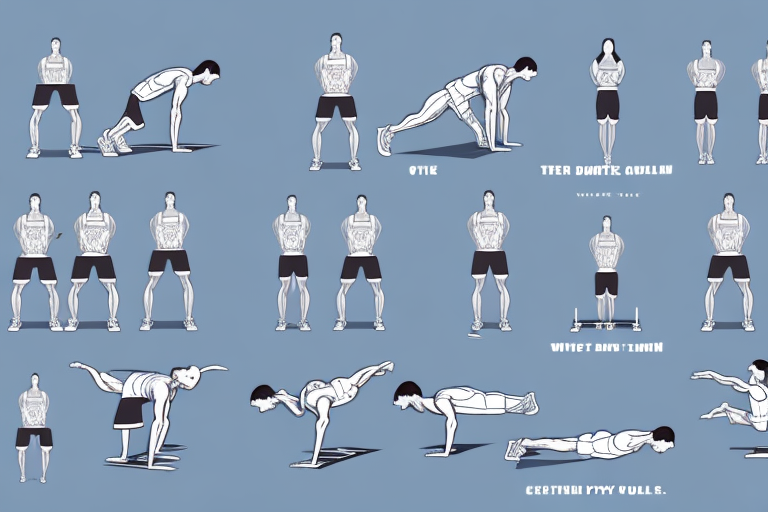
Incline push-ups elevate your upper body. They shift focus to the lower pecs. Find a stable surface like a bench or low wall. Place your hands shoulder-width apart. Keep your body straight. Lower yourself until your chest nearly touches the surface. Push back to the starting position. Perform for multiple repetitions. This exercise increases lower chest strength and tone.
Decline Push-ups
Decline push-ups are the opposite of incline push-ups. Elevate your feet on a sturdy surface. Use a chair or step. Place hands on the ground, shoulder-width apart. Keep your body in a straight line. Lower your body until your chest is near the floor. Push back up to the starting position. Decline push-ups intensify the workout for your lower pecs.
Dips For Lower Pec
Dips target the lower chest effectively. Use parallel bars or two sturdy chairs. Support your body with your arms. Keep your elbows slightly bent. Lower your body until your shoulders align with elbows. Push back up using your arms. This exercise strengthens and shapes the lower pecs. Aim for multiple sets to maximize benefits.

Credit: pisquareinvestments.com
Perfecting Your Form
Mastering lower pec bodyweight exercises isn’t just about building muscle. It’s about ensuring every movement is precise and effective. Perfecting your form can be the difference between progress and injury. When I first started, I overlooked the importance of form, leading to strained muscles. Avoid this pitfall by focusing on the basics and refining each move.
Proper Hand Position
Your hand placement can make or break your lower pec workout. Position your hands slightly wider than shoulder-width apart. This targets your lower pecs more effectively. If your hands are too close together, you’ll end up working your triceps instead. Experiment with hand positions to find what feels right for your body.
Incorrect hand positioning can lead to wrist pain. I learned this the hard way, when my wrists ached after a workout. Ensure your wrists are straight and not twisted. This simple adjustment can enhance your workout experience.
Maintaining Core Stability
A strong core is crucial for lower pec exercises. It helps you maintain balance and control. When your core is engaged, your movements are more precise and powerful. You’ll notice less strain on your back and shoulders.
Imagine your core as the foundation of a house. If it’s weak, everything else collapses. A friend of mine struggled with back pain during workouts. Once he focused on core stability, his pain vanished. How strong is your foundation?
Engage your core by tightening your abdominal muscles. You can practice this by standing up straight and pulling your belly button towards your spine. It might seem challenging at first, but with practice, it becomes second nature.
As you perform these exercises, ask yourself: Is my form benefiting my fitness journey? Each adjustment you make brings you closer to your fitness goals. It’s all about progress, not perfection.
Creating A Balanced Workout Routine
Creating a balanced workout routine is key to effective lower pec development. Bodyweight exercises offer a convenient way to target these muscles. To achieve optimal results, consistency and proper technique are essential. This routine needs a structured approach to maximize gains and ensure muscle balance.
Frequency And Repetitions
How often should you train your lower pecs? Aim for two to three times a week. This allows muscles time to recover and grow. Each session should include varied exercises. Keep the muscle guessing. Use 8-12 repetitions per set for each exercise. This range helps build strength and endurance. Listen to your body. If it’s sore, give it rest. Recovery is part of the process.
Combining With Upper Pec Exercises
For a balanced chest, mix lower and upper pec exercises. This ensures even muscle development. Push-ups are great for both areas. Incline push-ups target the upper pecs more. Decline push-ups focus on the lower pecs. Combining these helps create a well-rounded routine. Don’t neglect one area for the other. Balance is key.
Creating this routine doesn’t require a gym. Just dedication and consistency. Your pecs will thank you!
Common Mistakes To Avoid
Lower pec exercises can enhance strength and muscle definition. Yet, many people make mistakes during workouts. These errors can hinder progress and cause injuries. Understanding common mistakes helps in refining your technique. This ensures effective and safe workouts.
Overtraining Risks
Pushing the pecs too hard can lead to overtraining. Muscles need time to recover and grow. Without rest, they become fatigued and prone to injury. Many people think more exercise means more results. This is not always true. Balanced workouts yield better outcomes.
Signs of overtraining include constant soreness and reduced performance. Listen to your body. If it feels overworked, take a break. Rest days are crucial for muscle recovery. They help prevent burnout and keep you motivated.
Ignoring Muscle Imbalances
Focusing solely on lower pecs might cause muscle imbalances. Balanced development is important for overall strength. Neglecting other muscle groups can lead to posture issues. It might also affect performance in other activities.
Incorporate exercises for the upper body and core. This ensures even muscle growth. Addressing imbalances helps in achieving a well-rounded physique. It also reduces the risk of injuries. Regular assessments can help in identifying imbalances. Adjust your workout routine accordingly.
Adapting Exercises For All Levels
Lower pec bodyweight exercises can be tailored for everyone. Beginners and advanced athletes alike benefit from adaptable workouts. The key is to modify exercises to fit individual fitness levels. This ensures safety while maximizing effectiveness.
Beginner Modifications
New to lower pec exercises? Start with wall push-ups. They offer support and reduce strain. Another option is incline push-ups on a sturdy bench. This decreases the intensity while building strength. Focus on controlled movements. Maintain proper form to prevent injuries.
Chair dips are another great option. Use a stable chair to perform the exercise. Bend your elbows slowly to lower your body. Keep your feet flat on the ground. This helps engage your lower pecs without overexertion.
Advanced Variations
Looking for more challenge? Try decline push-ups. Elevate your feet on a platform. This increases the difficulty and targets the lower pecs. Another advanced exercise is the archer push-up. It engages multiple muscle groups at once.
Single-arm push-ups provide an intense workout. They require significant strength and balance. Ensure your form remains consistent. Perform these exercises with caution. Progress gradually to avoid straining muscles.
Explore these variations to enhance your workout routine. Adapt exercises as your strength improves. This keeps your fitness journey dynamic and rewarding.
Tracking Progress And Results
Track your progress with lower pec bodyweight exercises. Keep a simple log of your reps and sets. This helps you see improvements over time and adjust workouts for better results.
Tracking your progress is crucial when you’re working on lower pec bodyweight exercises. It not only motivates you but also helps you adjust your routine for better results. You might feel stronger, but without tracking, how will you know just how far you’ve come? Let’s dive into ways you can measure your progress and adjust your routine for those lower pec gains.Measuring Strength Gains
Tracking strength gains is an exciting part of your fitness journey. Start by setting a baseline with a simple push-up test. Count how many push-ups you can do before your form breaks down. As the weeks go by, repeat this test. Notice any increase in reps? That’s a clear sign of progress. Also, pay attention to how much easier the exercises feel. Is your form improving? Can you perform more challenging variations? Another way is to measure time under tension. How long can you hold a push-up position? If you’re improving, it’s a win worth celebrating. Keep a journal or use a fitness app to record these numbers regularly.Adjusting Your Routine
As you track your progress, you might find areas needing improvement. If your strength plateaus, consider adjusting your routine. Adding variety can stimulate new growth in your lower pecs. Try different push-up variations like diamond push-ups or decline push-ups. These target your lower pecs in new ways. Don’t be afraid to modify your sets and reps too. Think about recovery. Are you giving your muscles enough time to repair? Sometimes, an extra rest day is the secret to breaking through a plateau. Reflect on your goals. Do they still align with your current routine? If not, make changes that keep you excited and challenged. Tracking your progress and making adjustments is a cycle. It keeps your workouts effective and engaging. What small change will you make today to get closer to your goals?
Credit: www.youtube.com
Frequently Asked Questions
How Can I Target Lower Pecs At Home?
You can target your lower pecs using bodyweight exercises like push-ups, decline push-ups, and dips. These exercises engage the lower chest muscles effectively. Ensure proper form and controlled movements for optimal results. Gradually increase intensity or repetitions to build strength and muscle definition over time.
Are Dips Effective For Lower Chest?
Yes, dips are highly effective for targeting the lower chest muscles. They engage the triceps and lower pecs, enhancing muscle definition and strength. Perform dips using parallel bars or a sturdy surface. Ensure proper technique to maximize benefits and avoid injury.
Consistent practice leads to noticeable results.
What Are Decline Push-ups?
Decline push-ups are a variation of traditional push-ups that emphasize the lower chest muscles. Elevate your feet on a raised surface while keeping your hands on the ground. This angle shifts focus to the lower pecs. Maintain proper form to avoid strain.
They’re a great addition to your workout routine.
How Often Should I Do Lower Pec Exercises?
Aim to perform lower pec exercises 2-3 times per week for optimal results. Allow adequate rest between sessions for muscle recovery. Consistency is key to building strength and definition. Gradually increase intensity or repetitions as your fitness level improves. Listen to your body and adjust accordingly.
Conclusion
Bodyweight exercises for the lower pec can be effective. They build strength and improve muscle tone. No equipment is needed, so you can do them anywhere. Perfect for home workouts. Simple moves make a big difference. Push-ups and dips are great choices.
Consistency is key. Regular practice leads to better results. Mix up exercises to avoid boredom. Listen to your body and rest when needed. Start small, then increase reps over time. Remember, progress takes patience. Enjoy the journey to a stronger you.
Fitness is a lifestyle, not a quick fix.