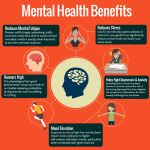

Connecting with exercise organizations for mental health can be a game-changer for your well-being. These groups provide structured programs, supportive communities, and expert guidance to help you harness the power of movement, reducing stress, improving mood, and fostering resilience. Discover how to find the perfect fit and take the first step towards a healthier mind and body.
Connecting with Help: Exercise Organizations for Mental Health
Life can feel incredibly challenging at times, can’t it? We all face moments when our mental health needs a little extra care, just like our physical health does. Maybe you’ve heard that exercise can help with things like stress, anxiety, or even feelings of sadness. And it’s true! Movement is a powerful tool for boosting your mood, clearing your head, and building resilience. But knowing that exercise is good for you and actually *doing* it, especially when you’re feeling down, can be two very different things.
That’s where incredible exercise organizations for mental health come in. Imagine having a supportive community, expert guidance, and a structured program tailored to help you feel better, both physically and mentally. These organizations bridge the gap, making it easier and more effective to use movement as a core part of your mental well-being strategy. They understand the unique hurdles people face and provide a safe, encouraging space to overcome them.
In this article, we’re going to explore the fantastic world of these specialized groups. We’ll dive into *why* exercise is so good for your mind, what kinds of organizations are out there, and how to find the perfect fit for your own journey. Our goal is to empower you with the knowledge and resources to connect with the help you deserve, transforming your relationship with exercise and, ultimately, with your mental health.
Key Takeaways
- Exercise is a Powerful Mental Health Tool: Regular physical activity significantly reduces symptoms of anxiety and depression, improves mood, and boosts overall cognitive function and resilience.
- Organizations Offer Structure and Support: Dedicated exercise organizations for mental health provide guidance, community, and programs specifically designed to leverage physical activity for psychological well-being.
- Diverse Options Available: From community-based programs to specialized initiatives and online platforms, there’s a wide range of organizations catering to different needs, preferences, and mental health journeys.
- Find Your Best Fit: Consider factors like program philosophy, support systems, accessibility (including cost), and the qualifications of instructors when choosing an organization.
- Community is Key: Many effective programs emphasize group activities and peer support, fostering connection and reducing feelings of isolation, which are crucial for mental health.
- Start Small and Be Consistent: Embracing a new exercise routine doesn’t require immediate intensity; starting with manageable steps and maintaining consistency is more beneficial for long-term mental health improvements.
Quick Answers to Common Questions
Can exercise really help with serious mental health conditions?
Yes, while exercise is not a cure, it can significantly reduce symptoms of conditions like depression and anxiety. Many mental health professionals recommend it as an important complementary therapy alongside medication or psychotherapy.
How do I find exercise organizations for mental health near me?
You can start by searching online using terms like “exercise and mental health programs [your city],” “therapeutic fitness groups,” or checking with local community centers, mental health charities, or your doctor for recommendations.
What if I’m not fit or active already?
That’s perfectly fine! Most exercise organizations for mental health are designed to be inclusive, offering programs for all fitness levels, including absolute beginners. The emphasis is on gentle movement, participation, and gradual progress, not intense performance.
Are these programs covered by insurance?
It varies. Some specialized therapeutic exercise programs might be covered if they are part of a larger treatment plan prescribed by a doctor or therapist. Community-based programs are often low-cost, while private organizations might have higher fees. Always check directly with the organization and your insurance provider.
What if I don’t feel comfortable in group settings?
Many exercise organizations for mental health offer diverse options. While group activities are common, some may provide one-on-one coaching, virtual classes you can do privately, or smaller, more intimate group settings. Don’t be afraid to ask about alternatives that suit your comfort level.
📑 Table of Contents
- The Power of Movement: How Exercise Boosts Mental Well-being
- Navigating Your Options: Types of Exercise Organizations for Mental Health
- Spotlight on Key Approaches: What Exercise Organizations for Mental Health Offer
- Choosing the Right Fit: What to Look For
- Getting Started: Your First Steps Towards Connecting
The Power of Movement: How Exercise Boosts Mental Well-being
It’s not just a hunch; science overwhelmingly supports the link between physical activity and improved mental health. When you move your body, a cascade of positive changes happens inside you, benefiting your brain and your emotional state. Understanding these benefits can be a huge motivator to seek out exercise organizations for mental health.
Brain Chemistry and Mood
Think of exercise as a natural pharmacy for your brain. When you get active, your body releases endorphins, those feel-good chemicals that give you a natural high. But it doesn’t stop there! Exercise also helps regulate other crucial neurotransmitters like serotonin and dopamine, which play significant roles in mood, sleep, and appetite. Imbalances in these chemicals are often linked to depression and anxiety. Regular physical activity can help bring them back into balance, leading to a more stable and positive mood over time. It’s like giving your brain a helpful tune-up!
Stress Reduction and Resilience
Modern life is full of stressors, and our bodies are wired to react to them. Exercise acts as a powerful stress reliever. When you’re physically active, you burn off excess adrenaline and cortisol, the hormones associated with stress. It also provides a healthy outlet for pent-up energy and frustration. Moreover, facing the physical challenge of a workout, even a gentle one, helps build mental toughness and resilience. You learn that you can push through discomfort, which can translate into better coping mechanisms for life’s other challenges. It trains your mind to be stronger, not just your body.
Social Connection and Purpose
One of the sneaky benefits of joining exercise organizations for mental health is the social aspect. Many programs involve group activities, whether it’s a walking club, a fitness class, or a team sport. This provides invaluable opportunities for connection, reducing feelings of isolation and loneliness, which are significant risk factors for mental health issues. Being part of a group gives you a sense of belonging and shared purpose. You’re not just exercising; you’re building friendships, sharing experiences, and holding each other accountable. This sense of community can be just as therapeutic as the physical activity itself.
Navigating Your Options: Types of Exercise Organizations for Mental Health
The great news is that the landscape of support is growing! You’ll find a variety of exercise organizations for mental health, each with its own approach and focus. Knowing what types are out there can help you narrow down your search and find a program that truly resonates with you.
Community-Based Programs
These are often the most accessible and widespread options. Think about your local YMCA, community centers, or parks and recreation departments. Many of these offer a diverse range of classes, from yoga and Pilates to swimming and group fitness, often at affordable prices or with sliding scale fees. While not always *exclusively* focused on mental health, the inherent benefits of group exercise and a supportive environment are hugely impactful. Some might even have specific programs tailored for seniors, youth, or individuals recovering from certain health challenges, which often include a mental wellness component. The beauty here is proximity and broad appeal.
Specialized Mental Health Fitness Initiatives
These organizations are specifically designed with mental well-being at their core. They often integrate therapeutic approaches with physical activity. For example, some might focus on trauma-informed yoga, mindfulness-based movement, or adventure therapy for individuals struggling with anxiety, depression, or PTSD. These programs are typically led by professionals who have a background in both fitness and mental health, ensuring a holistic and sensitive approach. They understand the nuances of mental health conditions and tailor activities to be safe, empowering, and beneficial for those specific needs. Finding these specialized exercise organizations for mental health can provide targeted support.
Online Platforms and Virtual Support
In our increasingly digital world, many exercise organizations for mental health have an online presence. This can range from apps offering guided meditations and exercise routines to live virtual classes and online communities. The advantage here is flexibility and accessibility, especially for those in remote areas, with limited mobility, or who feel more comfortable starting their journey from home. Virtual platforms can also provide a sense of anonymity that some people prefer, making it easier to take that first step. Many offer hybrid models, combining online resources with in-person group meetups.
Spotlight on Key Approaches: What Exercise Organizations for Mental Health Offer
While we won’t name specific organizations, as they vary widely by location and can change over time, let’s explore some *types* of impactful programs you might encounter when seeking exercise organizations for mental health. These examples illustrate the diverse ways movement is used to support mental well-being.
Mindful Movement Networks
Imagine an organization dedicated to connecting your mind and body through practices like yoga, Tai Chi, or Qigong. These programs don’t just focus on the physical postures but deeply integrate breathwork, meditation, and body awareness. They teach you to be present, to observe your thoughts without judgment, and to find calm amidst movement. For individuals struggling with anxiety, stress, or a racing mind, these types of exercise organizations for mental health can be incredibly grounding, offering tools for self-regulation and emotional balance that extend beyond the class.
Active Steps Alliances
These initiatives often center around outdoor activities like guided walking groups, hiking clubs, or even gardening programs. The focus here is on connecting with nature while moving your body. Research shows that spending time outdoors, especially in green spaces, can significantly reduce rumination, improve mood, and decrease stress levels. An Active Steps Alliance might organize regular walks in local parks, offer nature-based mindfulness exercises, or even facilitate volunteer days for trail maintenance, combining physical activity with environmental stewardship and community contribution. It’s a fantastic way to enjoy the dual benefits of exercise and nature.
EmpowerFit Communities
Think of an organization that uses structured fitness classes – like group strength training, Zumba, or circuit training – to build physical strength and confidence, knowing that these benefits spill over into mental well-being. These communities often emphasize a non-judgmental, inclusive environment where everyone feels welcome regardless of their fitness level. The instructors are trained not just in fitness but also in creating a supportive atmosphere, celebrating small victories, and encouraging positive self-talk. For many, the sense of accomplishment from lifting a heavier weight or mastering a new dance step translates into increased self-esteem and a more positive body image, vital components of mental health.
The Resilient Rhythms Project
This type of organization harnesses the expressive power of dance and rhythmic movement. Whether it’s freeform movement, structured dance classes, or drumming circles, the focus is on allowing individuals to express emotions, release tension, and connect with their bodies in a joyful, uninhibited way. Dance therapy, for instance, is a recognized therapeutic approach. A Resilient Rhythms Project might offer classes specifically designed for emotional release, stress reduction, or simply for the pure joy of moving to music. It’s a powerful way to engage both the body and the creative spirit, fostering emotional resilience and a sense of liberation.
Choosing the Right Fit: What to Look For
With so many options, how do you pick the best exercise organizations for mental health for *you*? It’s a personal journey, and what works for one person might not work for another. Here are some key factors to consider.
Program Philosophy and Approach
Does the organization’s mission align with your values? Do they prioritize a gentle, mindfulness-based approach, or are they more about energetic group fitness? Are they focused on specific mental health conditions, or is their approach more general well-being? Read their “About Us” section, look at their program descriptions, and try to get a feel for their overall ethos. A good fit here means you’re more likely to stick with it.
Support Systems and Community
One of the biggest benefits of exercise organizations for mental health is the built-in support network. How do they foster community? Do they offer peer support groups, one-on-one check-ins, or opportunities for social interaction outside of the physical activity itself? A strong sense of belonging can make all the difference, providing encouragement and reducing feelings of isolation. Don’t underestimate the power of feeling truly seen and supported.
Accessibility and Cost
Practical considerations are important. Is the location convenient? If it’s an online program, does it fit your schedule? What are the costs involved, and do they offer financial aid, sliding scales, or free introductory sessions? Mental health support should be accessible to everyone, so don’t hesitate to inquire about options that make it affordable for you. The best exercise organizations for mental health understand these barriers.
Professional Oversight and Qualifications
Who is leading the programs? Are the instructors certified in their respective fields (e.g., yoga, personal training)? Do they have any training or background in mental health first aid, trauma-informed care, or psychology? While not every organization needs to be run by licensed therapists, knowing that the staff is knowledgeable and sensitive to mental health needs can provide a great deal of comfort and ensure a safer, more effective experience.
Getting Started: Your First Steps Towards Connecting
It can feel daunting to take that first step, especially when you’re feeling low. But remember, connecting with exercise organizations for mental health is an act of self-care, a powerful move towards feeling better.
Start Small, Stay Consistent
You don’t need to commit to an intense workout schedule right away. Begin with something manageable and enjoyable. Maybe it’s a 20-minute gentle yoga class once a week, or joining a walking group for a leisurely stroll. The goal is consistency, not perfection. Building a habit, even a small one, is more beneficial than burning out quickly. Celebrate these small victories; they build momentum.
Embrace the Journey, Not Just the Destination
Your mental health journey isn’t a race with a finish line. It’s a continuous process of learning, adapting, and growing. There will be good days and challenging days. The purpose of engaging with exercise organizations for mental health isn’t just to “fix” something, but to build a sustainable practice that enhances your overall well-being. Focus on how the movement makes you feel in the moment, rather than solely on long-term outcomes.
Don’t Be Afraid to Ask for Help
This is perhaps the most important tip. If you’re struggling to find the right organization, feel overwhelmed, or are hesitant to start, reach out. Talk to your doctor, a mental health professional, or a trusted friend. Many organizations have staff dedicated to helping new participants navigate their options. Remember, asking for help is a sign of strength, not weakness. These exercise organizations for mental health are there because people *do* need and deserve support.
Taking care of your mental health is a vital part of a fulfilling life, and physical activity is one of the most accessible and effective tools you have. By connecting with specialized exercise organizations for mental health, you’re not just moving your body; you’re building a network of support, learning new coping mechanisms, and investing in a brighter, more resilient you. So, take a deep breath, explore your options, and take that powerful first step. Your mind and body will thank you.
🎥 Related Video: How Exercise Rewires Your Brain for Better Mental Wellbeing
📺 Dr. Tracey Marks
UNLOCK YOUR BRAIN’S FULL POTENTIAL! My free 2-minute quiz reveals your unique “Brain Operating System” and gives you …
Frequently Asked Questions
What makes exercise so beneficial for mental health?
Exercise triggers the release of feel-good endorphins and helps regulate neurotransmitters like serotonin and dopamine, which are crucial for mood stability. It also reduces stress hormones, provides a healthy outlet for emotions, and can improve sleep quality, all contributing to better mental well-being.
Are all exercise organizations focused on mental health?
No, many general fitness centers focus primarily on physical fitness. However, an increasing number of organizations are specifically designing programs that integrate mental health support, mindfulness, and community connection, recognizing the powerful link between body and mind.
How important is the social aspect of these organizations?
The social aspect is incredibly important. Many mental health challenges are compounded by feelings of isolation and loneliness. Joining a group through exercise organizations for mental health provides a sense of belonging, shared purpose, and peer support, which can be as therapeutic as the physical activity itself.
What if I have a specific mental health diagnosis? Should I tell the organization?
It’s generally a good idea to inform the organization, especially if you’re joining a specialized program. They can ensure the activities are appropriate for your needs, provide necessary accommodations, and offer a more tailored and supportive experience. Always consult with your healthcare provider before starting any new exercise regimen.
How long does it take to see mental health benefits from exercise?
While some people report immediate mood boosts from a single workout, consistent exercise over several weeks or months typically yields more significant and lasting mental health benefits. Regular participation in exercise organizations for mental health helps to build long-term resilience and well-being.
Can these organizations replace professional therapy or medication?
No, exercise organizations for mental health are intended to complement, not replace, professional therapy or prescribed medication. While incredibly beneficial, they are a supportive tool within a broader mental health strategy. Always consult with your doctor or mental health professional for personalized advice regarding your treatment plan.